
We craft distinct, psychology-led hospitality environments in Cambridge and across the UK that elevate guest experience, extend dwell time, and drive repeat bookings.
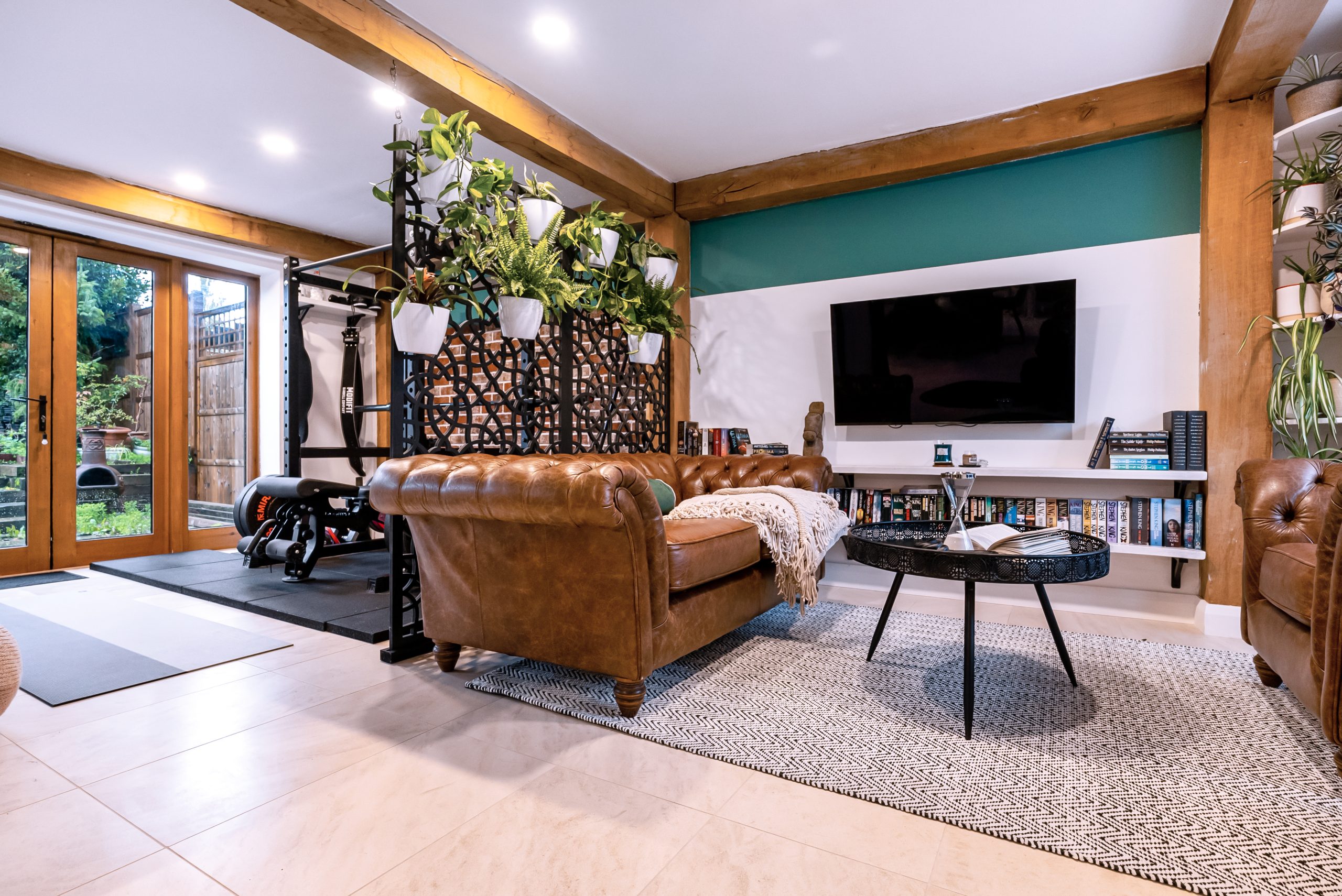
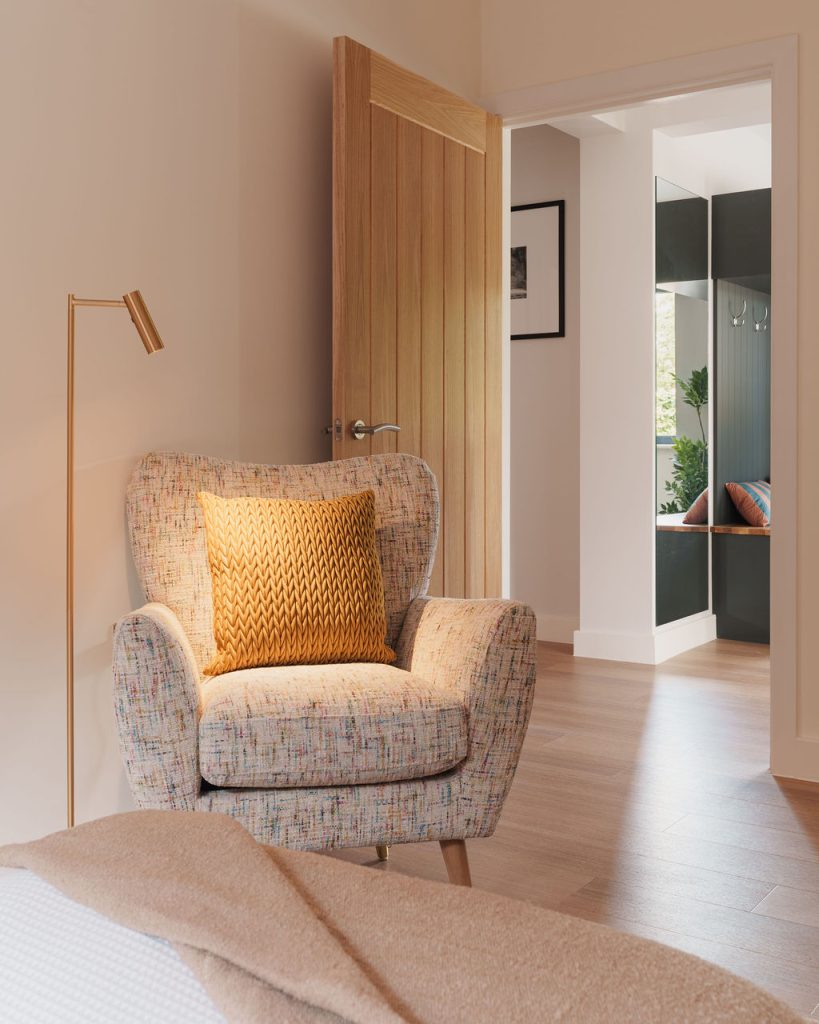
In the hotel industry, design is far more than a visual backdrop. The physical environment directly influences guest satisfaction, online reviews, average daily rates (ADR), and food and beverage spend. At Alwa Design Studios, based in Cambridge, we approach hotel design through the lens of human behaviour, creating spaces that evoke an immediate sense of arrival, ease, and understated luxury.
Founded by lead designer Alicja Wawrzyniak, our studio brings a rare dual perspective to commercial hospitality projects. Combining a background in clinical psychology with ten years of interior design practice across Cambridge, London, East Anglia, and the UK, Alicja understands how spatial layout, lighting dynamics, sound dampening, and tactile materials affect guest sentiment.
As a dedicated hotel interior designer, she works with independent hotel owners, boutique hotel operators, and commercial developers to design spaces that perform as brilliantly for back-of-house staff as they do for front-of-house guests.
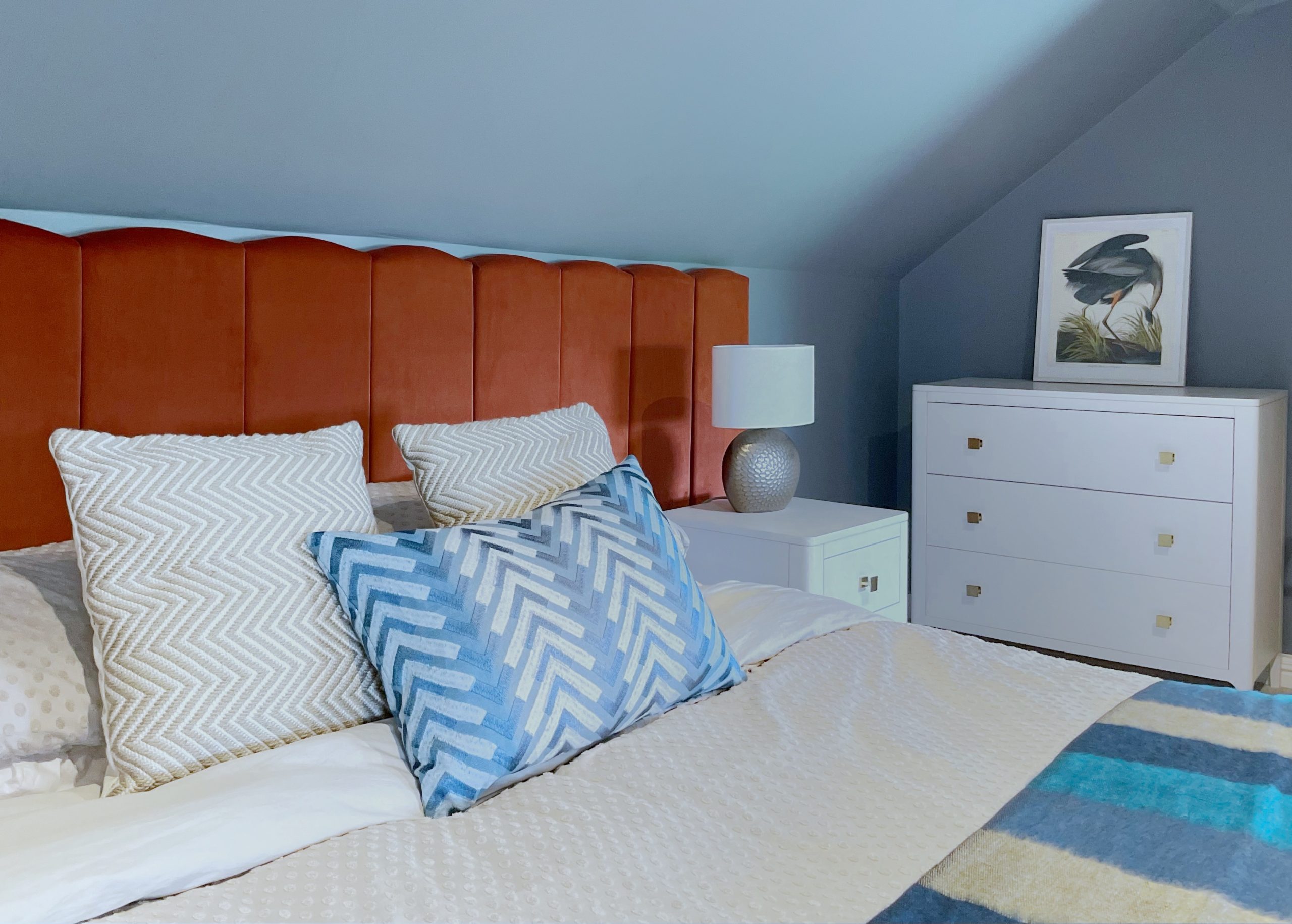
Boutique hotels and luxury heritage properties require specialised design strategies for every touchpoint. We provide complete interior design oversight for new builds, property conversions, and soft-refurbishment schemes.
A guest room must balance sanctuary-like comfort with operational efficiency. As an experienced hotel interior designer, Alicja specifies bespoke joinery, custom headboards, intuitive lighting controls, and durable upholstery. Every layout is planned to maximise usable square footage, streamline housekeeping turnarounds, and ensure guests enjoy an effortless, restful stay.
The reception zone sets the emotional tone for a guest’s entire stay. We design multi-functional lobby environments that transition seamlessly from morning check-ins and quiet co-working spaces to atmospheric evening lounge bars, maximising revenue potential per square metre.
Hospitality dining spaces require careful acoustic management, strategic lighting design, and private spatial zoning. We craft restaurant interiors that encourage intimacy, highlight culinary offerings, and support swift, unobtrusive floor service for front-of-house staff.
From corridor acoustics to spa relaxation suites, we apply psychological principles of calm to high-traffic commercial zones, selecting natural palettes, tactile stone finishes, and soothing ambient illumination.
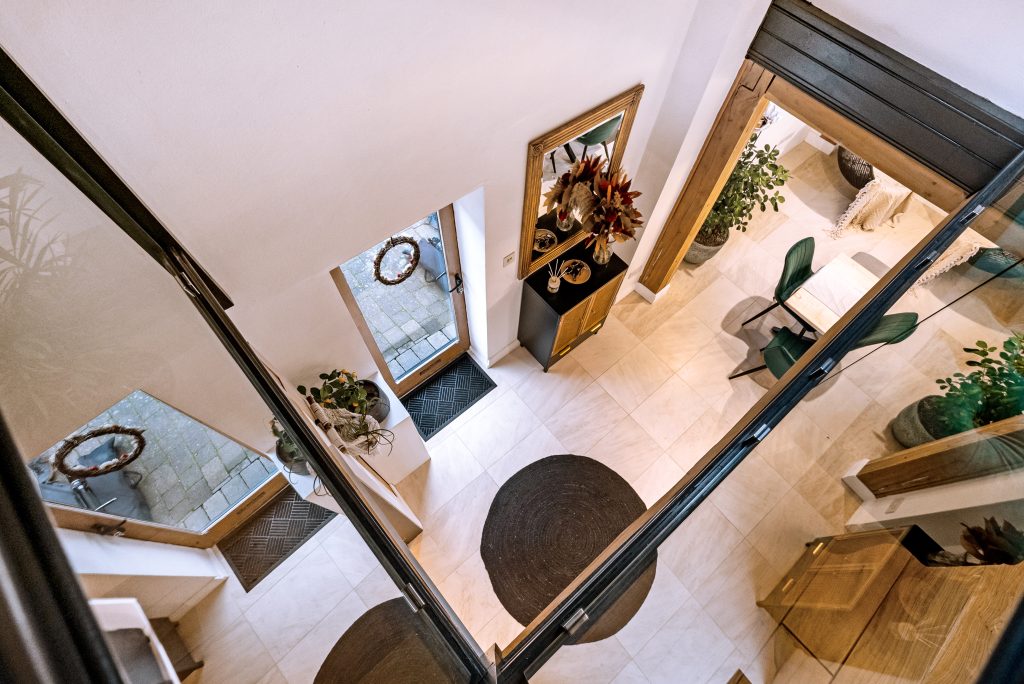
Guests form an opinion of a property within three seconds of entry. We design clear visual sightlines from the main entrance to reception, utilising subtle lighting cues and acoustic damping to instantly reduce travel fatigue.
Successful hotel layouts prevent bottlenecks. We map discrete pathways for guest arrivals, luggage handling, food delivery, and housekeeping carts, ensuring back-of-house logistics never disrupt guest relaxation.
A professional hotel interior designer understands lighting temperature. We specify layered, dimmable LED systems that adjust automatically throughout the day, energising morning breakfast zones and softening guest room atmospheres at night.
Commercial interiors must withstand constant luggage wear, heavy footfall, and rigorous cleaning protocols. We source high-rub-count fabrics, stain-resistant finishes, and commercial-grade flooring that retain their luxury feel year after year.
Commissioning an independent specialist offers distinct advantages over large, impersonal commercial design agencies:
Ready to elevate your property’s guest experience and commercial potential in Cambridge or across the UK? Partner with a trusted hotel interior designer for a considered, highly tailored outcome.
A specialist hotel interior designer understands the stringent commercial regulations, fire safety standards (such as CRIB 5 fabric specifications), heavy footfall requirements, and operational workflows unique to hospitality. While aesthetic taste is crucial, a hotel designer ensures that materials last under continuous commercial use and that layouts support fast, efficient housekeeping and service staff operations.
By evaluating how natural light, acoustics, spatial proportions, and colours impact guest emotions, a psychology-led hotel interior designer creates environments where guests naturally feel more relaxed and valued. This leads directly to higher guest satisfaction scores, stronger online review ratings, increased food and beverage spend, and higher customer retention rates over time across competitive UK markets.
It is best to engage a hotel interior designer during the early architectural planning phase, before structural partitions, plumbing stacks, and electrical grids are finalised. Early involvement ensures that guest room layouts, bathroom proportions, lighting circuits, and back-of-house corridors are optimised prior to construction, preventing costly structural variations later.
Yes. We regularly collaborate with main contractors, commercial architects, mechanical and electrical (M&E) engineers, and project managers across Cambridge, London, and the wider UK. As your dedicated hotel interior designer, we provide comprehensive technical drawing packages, scheduled finish specifications, and conduct regular site inspections to ensure the design vision is executed perfectly on site.
Yes. We specialise in independent boutique hotels, historic country house conversions, luxury bed-and-breakfast renovations, and targeted hotel suite refurbishments in Cambridgeshire, East Anglia, and across the UK. Our studio scales its design services to fit the commercial scope of your property.
Simply contact our studio to schedule an initial exploratory consultation. We will review your property plans, target guest demographic, investment parameters, and project timeline to establish a clear design roadmap forward.